The Graveyard of Images
I have a hard drive that is, essentially, a graveyard. A black, cold, and silent object containing thousands of files with generic names like DSC_0452 or final_final_v2. It is the place where the photos that were never published live. Those images that, due to a framing issue, a focus error, or simply because they didn’t fit the client’s narrative, remained in the dark.
Sometimes, when the workload presses and the delivery pace is frantic, I feel the urge to delete everything that isn’t useful. To clean the space. To optimize storage. But every time I am about to do it, I stop. Because that graveyard isn’t trash. It is my true memory.
What the Client Doesn’t Need
When I work for a client, the goal is the perfection of the result. The client needs an image that works. They want clarity and a direct message. They want the product or the person to look a specific way. And I give it to them. My job is to deliver that impeccable package.
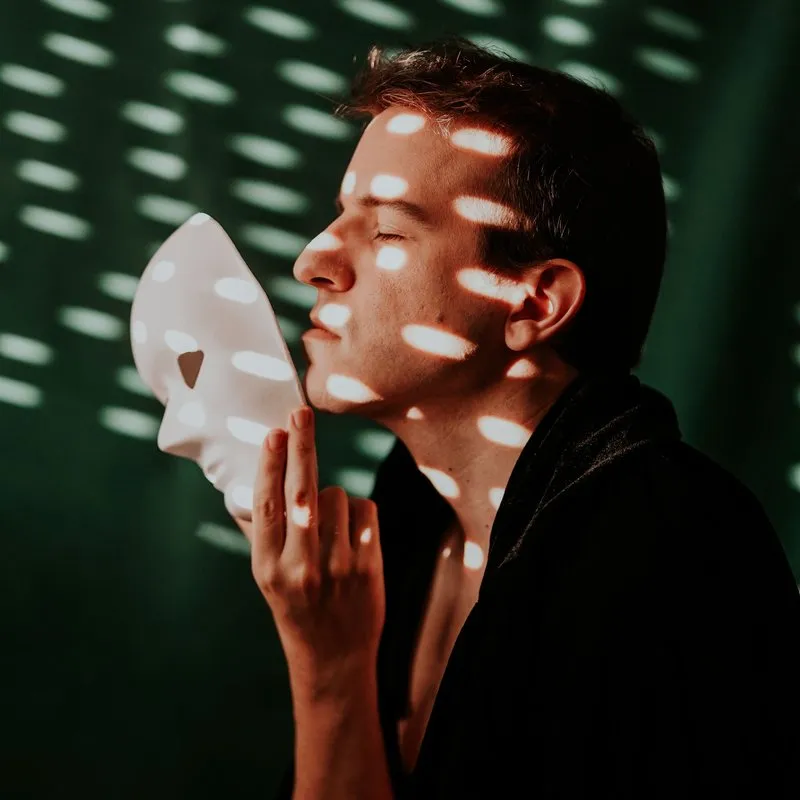
But something happens in the margins of those sessions. There is a gesture the model made while laughing at one of my mistakes. There is a play of shadows in the background that had nothing to do with the commission but was visually fascinating. Those photos are useless to the client. They have no commercial value. To the market, they are an error or a waste of time. However, to me, they are the most honest ones.
The Library of Mistakes
I have learned to see my archives not as waste, but as a library of learning. Those photos that failed are the ones that taught me how to understand light or the psychology of the subject. If I delete my mistakes, I delete my process.
Looking back at my old archives is like reading a personal diary. I see how my way of observing has changed. I see my obsessions from three years ago, my technical quirks, and my insecurities. There is a strange beauty in the imperfection of a photo that never reached its destination. It is a beauty without the pressure of having to please anyone. There is no Instagram filter or art director’s opinion judging it. There is only the image and the moment it happened.
The Archive as a Refuge
Sometimes I need to return to that chaos of files to remember why I started this. In the midst of constant production and the need to generate content for social media, it is easy to lose your way. It is easy to start shooting thinking about how the photo will look in a phone grid.
The archive is my refuge against the superficiality of the craft. It is the place where I keep the photography I shot simply because I thought it was beautiful. The photography that has no purpose, that seeks neither a brand nor a portfolio. It is the space where the gaze remains free. In the end, perhaps a photographer’s identity is not defined by what they show to the world, but by what they choose to keep for themselves.